








Artificial intelligence is transforming business process automation by streamlining workflows, improving accuracy, reducing costs, and enabling smarter, data-driven decisions across industries.
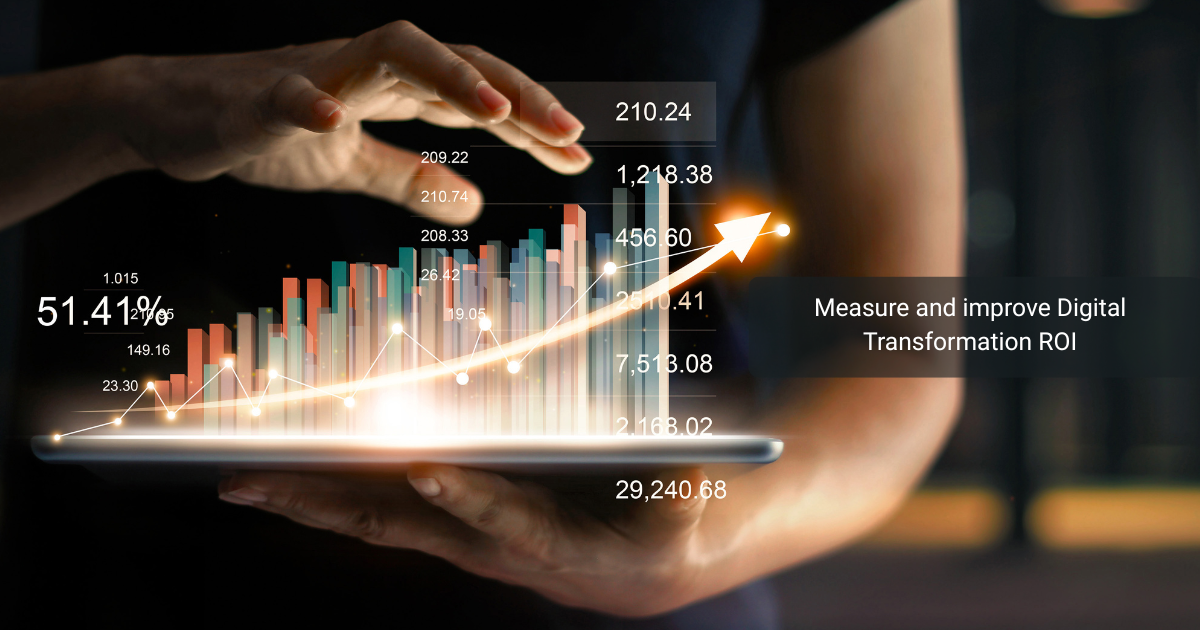
Digital transformation isn’t about technology—it’s about value creation. The most successful organizations measure ROI beyond financials, capturing operational resilience, customer experience leaps, and employee enablement. When ROI frameworks reflect these multidimensional gains, transformation becomes a competitive advantage, not just a line item.
Progressive Web Apps deliver fast, reliable, and engaging user experiences across devices. This guide covers PWA fundamentals, features, and implementation.

Augmented Reality in Apps blends real and virtual worlds, transforming gaming, education, and business with interactive, real-time experiences.
Cloud computing has brought significant change to businesses, as it allows organizations to access computing resources on-demand through the internet. This shared pool of computing resources can quickly be provisioned and released with minimal management effort, leading to reduced costs, increased efficiency, and greater flexibility. Cloud computing has become one of the most significant technological advancements in the business world, enabling companies to access software and storage through the internet rather than through traditional hardware and servers. It provides various benefits to businesses, including cost reduction, scalability and flexibility, remote working, data security, collaboration and communication, innovation and agility, and a competitive advantage. Cloud computing is being impacted by trends like hybrid cloud solutions, multi-cloud adoption, artificial intelligence and machine learning, server less computing, internet of things, edge computing, and containerization.
Predictive maintenance in software development uses AI and analytics to detect issues early, improving reliability and user experience.
Cloud data migration strategies help businesses move workloads, applications, and databases to the cloud without disruptions. A well-planned approach minimizes downtime, protects sensitive data, and ensures compatibility with existing systems. By using the right migration tools, security measures, and performance optimization techniques, organizations can transition to the cloud more efficiently and with reduced risk.
Enhance app experiences with data-driven design that personalizes interfaces, improves usability, and ensures inclusivity. By leveraging user insights, continuous feedback, and iterative design, apps become intuitive, engaging, and secure, fostering trust and long-term user satisfaction.
IoT into web and mobile applications connects devices and systems, enabling real-time data, smarter automation, and improved user interaction.

Biometric security solutions are revolutionizing digital protection. By combining AI-driven authentication, multi-factor biometrics, and privacy-focused cybersecurity, organizations can reduce fraud, safeguard sensitive data, and ensure trust across digital platforms.