








Agile software development helps enterprises improve software delivery through iterative planning, disciplined engineering practices, continuous testing, and collaborative development.
Enterprise software delivery models help U.S. organizations strengthen governance, modernize applications, adopt AI, and improve software delivery through structured planning.
Enterprise software development planning helps organizations build secure, connected business systems that support long-term growth. This guide explains how architecture, governance, integration, modernization, and operational planning improve software delivery, reduce technical risk, and create reliable digital ecosystems.
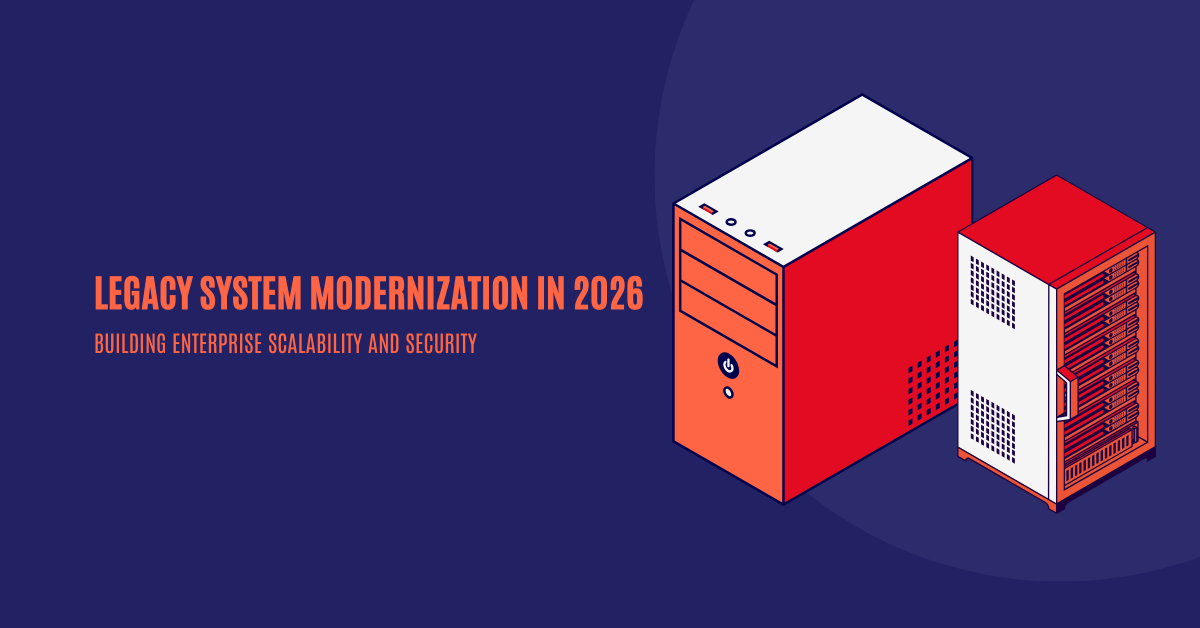
Legacy system modernization helps enterprises improve scalability, strengthen security, reduce technical debt, and support modern architectures. Learn how modernization strategies, API-first design, and mainframe modernization initiatives help organizations prepare for future growth and operational demands.
Scalable software development provides the foundation for sustainable enterprise growth. This guide explains how U.S. businesses can strengthen architecture, improve security, adopt cloud-native platforms, optimize integration, and accelerate delivery through consulting expertise. Learn how to build software systems that support performance, reliability, and long-term business objectives

US enterprises are rethinking software priorities as AI adoption, security requirements, modernization initiatives, and integration complexity reshape technology decisions. This article examines the key factors influencing enterprise software development strategy and why organizations across industries are updating their approach to software planning, architecture, and delivery.
Enterprise platforms require clear architecture governance, service ownership, security controls, observability, and AI governance. Organizations that prioritize operational simplicity, API standards, platform engineering, and disciplined deployment practices create platforms that support long-term business growth and reduce operational risk.
Cloud cost optimization helps US enterprises control infrastructure spending, reduce AI workload costs, and scale cloud environments efficiently through FinOps, governance, and resource optimization.
Shadow AI detection helps U.S. enterprises identify unauthorized LLM usage, reduce data exposure risks, and strengthen AI governance and compliance controls.
Ransomware preparedness for U.S. enterprises requires Zero Trust architecture, immutable backups, real-time detection, and compliance-driven cloud recovery strategies.