







The Power of Digital Workplace Transformation
In 2025, businesses thrive on speed, agility, and innovation. AI-powered digital workplace transformation is no longer optional—it’s a necessity. From intelligent automation to augmented reality collaboration tools, organizations are rethinking the way teams work, connect, and succeed.
Why Your Business Needs Digital Workplace Transformation
Traditional workplace models struggle to meet the demands of the hybrid era. Employees expect flexibility, mobile-first access, and digital dexterity. Organizations that embrace transformation gain:
- Agility and resilience in adapting to market shifts.
- Stronger collaboration across distributed teams.
- Enhanced employee experience (EX, DEX, WEX) with human-centric design.
- Improved customer experience (CX) driven by faster responses.
- Scalability through automation and cloud-powered platforms.
- Companies that hesitate risk losing talent, market share, and competitive advantage.
I. Unlocking AI-Enhanced Collaboration
- AI-Powered Communication Tools: Platforms like Microsoft Teams and Slack now embed generative AI assistants for meeting notes, real-time translation, and task automation.
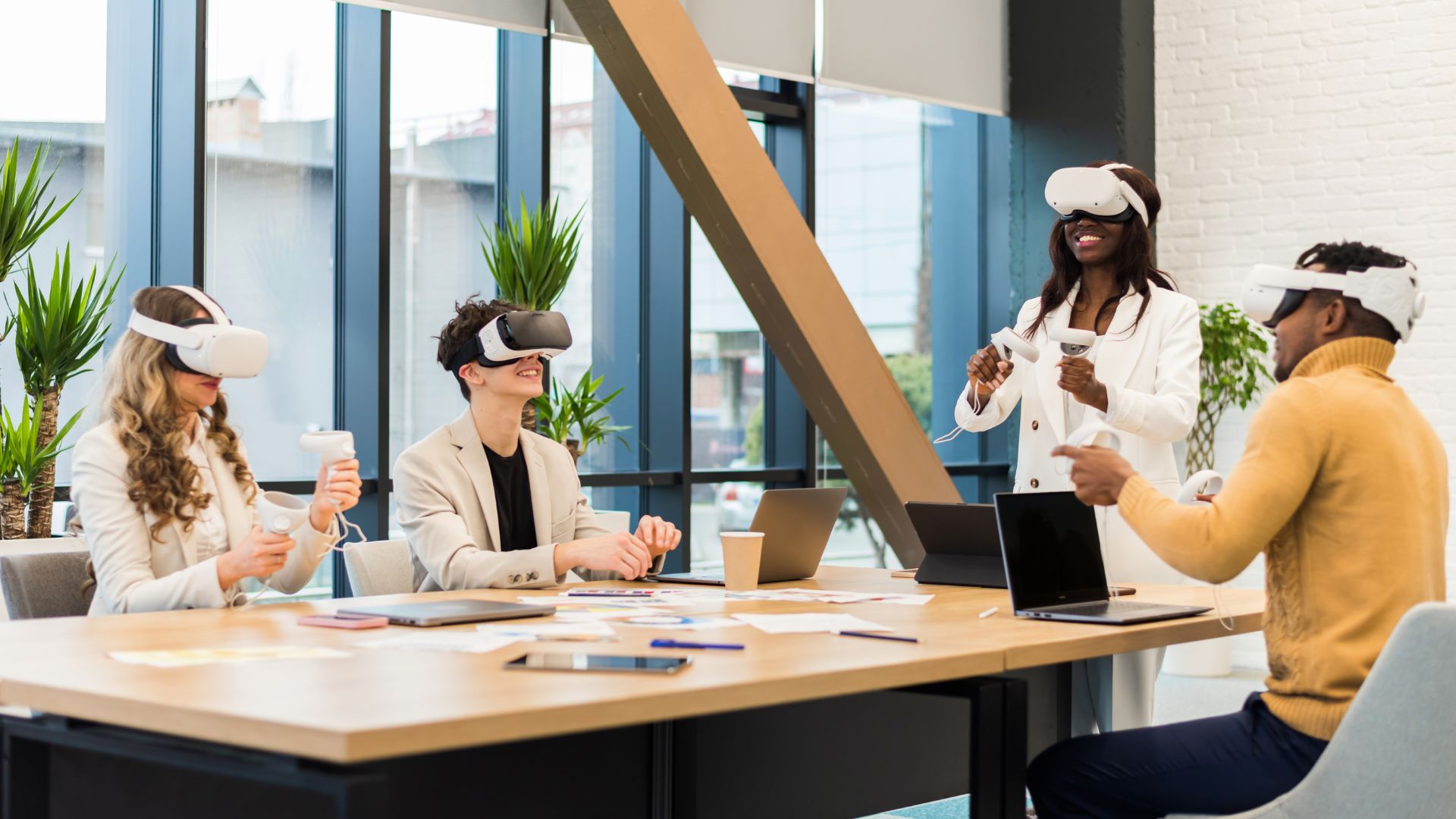
- Augmented & Virtual Reality (AR/XR): Remote workers use AR/XR to collaborate on product design, training, and complex maintenance tasks.
- Cloud Collaboration: Google Workspace and SharePoint empower global teams with real-time co-editing and centralized data.
- Project Management Intelligence: Tools like Asana or Jira integrate AI to predict task delays and optimize resource allocation.
This mirrors the way businesses are already transforming through AI automation of mundane tasks, freeing teams to focus on innovation.
II. Empowering Mobility in the Digital Workplace
Hybrid work is here to stay. A digitally transformed workplace provides employees with seamless access to work anytime, anywhere.
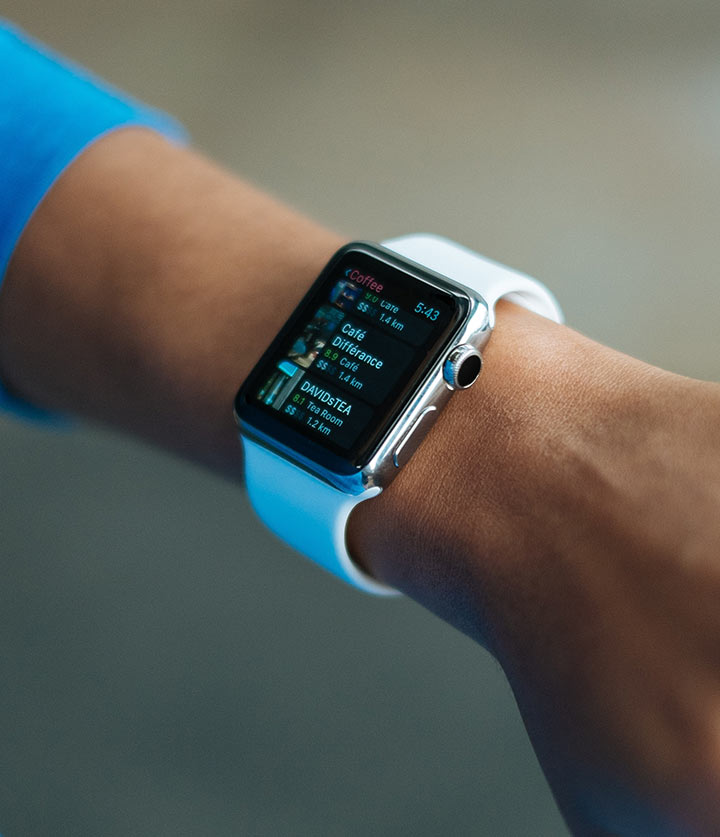
- Mobile-First Platforms: Employees access files, dashboards, and apps on secure mobile devices.
- Virtual Workspaces: Digital HQs mimic in-office culture with virtual communities, gamified engagement, and AI-driven intranets.
- Flexible Scheduling: AI algorithms balance employee availability with workload distribution to reduce burnout.
- Cloud and Edge Computing: Real-time processing at the edge improves performance for globally distributed teams.
For many enterprises, this shift also means addressing challenges of legacy systems in a cloud infrastructure environment to ensure smoother scalability.
III. Boosting Productivity Through Digital Workplace Transformation
Automation is one of the most impactful aspects of AI-driven workplace transformation.
- Hyperautomation: Combining RPA, machine learning, and AI agents, hyperautomation reduces repetitive tasks and cuts operational costs.
- No-Code/Low-Code Platforms: Employees can create workflows without technical expertise, accelerating digital adoption.
- Data-Driven Decision Making: AI dashboards provide predictive analytics for revenue, workforce efficiency, and project success.
- Employee Upskilling: Digital workplaces invest in AI-powered learning platforms like Coursera or Udemy for personalized training pathways.
Forward-thinking companies also explore strategies for a successful data-driven transformation, ensuring productivity gains are measurable and sustainable.
IV. Employee Experience (EX) at the Center
Technology adoption only succeeds if employees embrace it. That’s why leading organizations prioritize EX, DEX, and WEX.
- Personalized Dashboards: Employees get customized insights tailored to their role.
- Wellness Tracking: Digital workplaces integrate apps for mental health, stress monitoring, and work-life balance.
- Gamified Engagement: Recognition platforms boost morale and keep teams motivated.
- AI Chatbots for HR: Smart bots answer employee queries instantly, from payroll to vacation requests.
Companies that focus on employee well-being see higher retention and engagement scores.
V. From Legacy Systems to Future-Ready Platforms
Outdated legacy systems slow down innovation. A complete transformation replaces them with cloud-native, AI-driven platforms.
- Digitization of Paper Processes: Automation replaces manual filing, saving hours weekly.
- Data Migration to Cloud: Ensures scalability, security, and 24/7 accessibility.
- Sustainability Goals: Cloud-powered workplaces reduce carbon footprint by minimizing physical resources.
- Continuous Governance: Compliance and data security frameworks are embedded into workflows.
Organizations that modernize legacy systems gain a future-ready advantage.
VI. The Future of Work: Intelligent, Connected, Human-Centric
- AI-Powered Agents for complex task execution.
- Blended Workspaces where digital and physical work seamlessly integrate.
- Sustainable Digital Workplaces aligned with ESG goals.
- Adaptive Learning Ecosystems powered by machine learning.
The digital workplace is no longer just technology—it’s the foundation of growth, innovation, and resilience.
Partnering with Novas Arc for Your Digital Workplace Transformation
At Novas Arc, we specialize in guiding organizations through end-to-end digital transformation. Our services include:
- Advanced workflow automation for operational efficiency.
- Secure cloud-based collaboration platforms for hybrid teams.
- AI-driven insights to improve decision-making and customer experience.
- Employee-centric solutions that increase adoption and productivity.
We combine cutting-edge technology with a people-first approach, ensuring every transformation is successful, scalable, and sustainable.
FAQs
1. What is digital workplace transformation?
Digital workplace transformation is the shift from traditional offices to technology-driven workplaces that improve collaboration, productivity, and flexibility.
2. Why is digital workplace transformation important in 2025?
It helps businesses adapt to hybrid work, improve employee engagement, and stay competitive with advanced digital tools and automation.
3. Which technologies are driving workplace transformation in 2025?
Key technologies include AI, cloud computing, workplace automation, virtual collaboration tools, and intelligent communication platforms.
4. How does digital workplace transformation improve employee experience?
It provides flexible work models, better collaboration tools, and personalized digital solutions that enhance productivity and engagement.
5. What challenges do companies face in digital workplace transformation?
Common challenges include cybersecurity risks, high implementation costs, resistance to change, and integration with existing systems.
